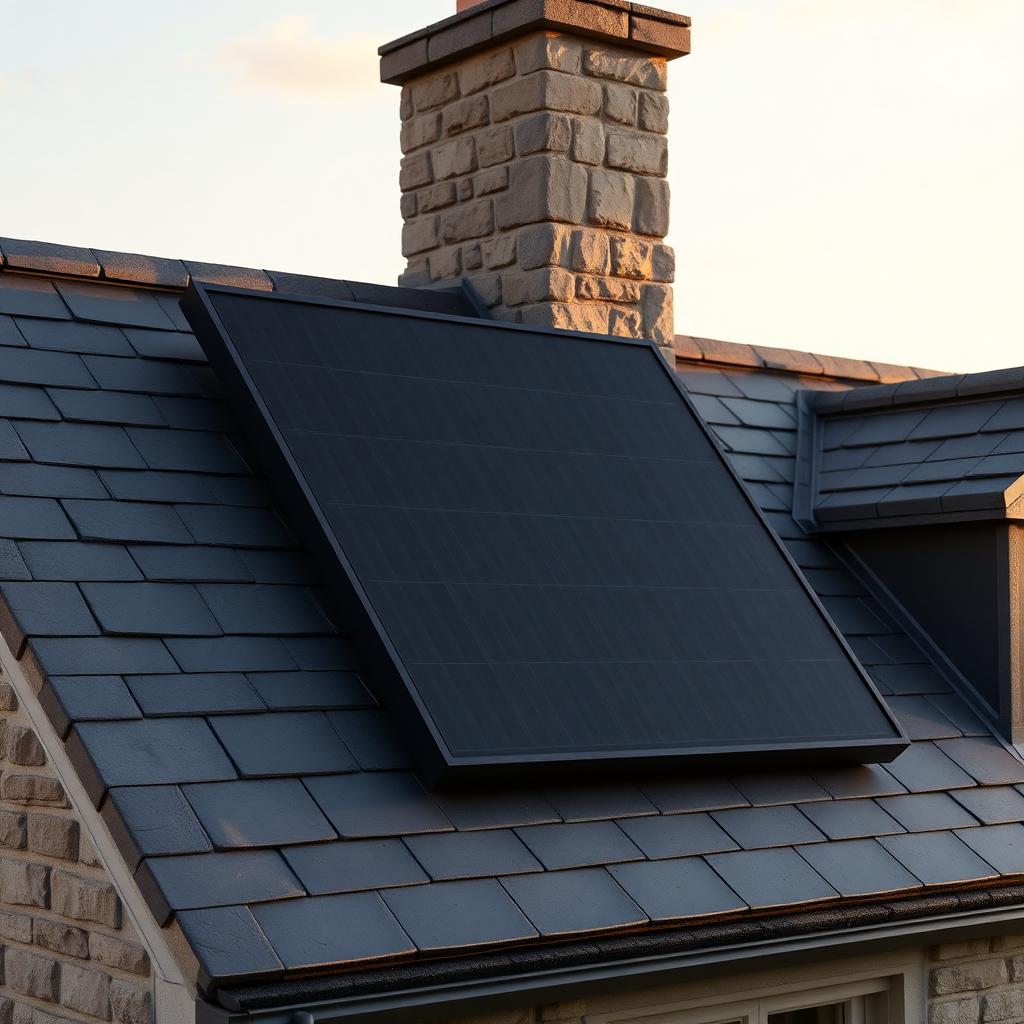
Solar, battery and EV charging are one decision in three parts. Pick the part on your table.
- You're wondering whether solar makes sense on your roof.Open
- You want to see the payback maths on solar for a house like yours.Open
- An installer has quoted you for a battery and you're not sure.Open
- You've bought an EV and want the cheapest way to charge it.Open
- You want to cut the bill before you generate anything.Open
The decisions that decide what you pay for the next twenty years.
Solar, batteries and EV charging are no longer experimental; they're the quiet upgrades that pay for themselves and decouple your bills from the wholesale market. The trick is getting the sizing right.
Generate it, store it, use less of it.
The Energy mental model
Energy isn't a product decision. It's a load-shape problem.
The right stack for a British home depends on the shape of its demand across the day and the year, not on the brand on the inverter. Every question in this domain sits somewhere on the cascade below; and the further left you fix, the smaller and cheaper everything downstream needs to be.
- 01Use less
Fabric, controls, hot-water strategy. Every kWh you don't need is one you never have to generate, store or import.
- 02Generate
A well-sized array on a sensible roof. Orientation and inverter matter more than panel brand.
- 03Time-shift
A smart tariff pushes demand into cheap overnight windows even without a battery in the house.
- 04Store
A battery lets you carry cheap electricity into the peak, cover an EV, or hold power through a cut.
- 05Export
What's left goes back to the grid. Export tariffs make the difference between a good return and a great one.
Solar, battery and EV charging are one decision in three parts. Pick the part on your table.
- 01You're wondering whether solar makes sense on your roof.Solar for UK homes
- 02You want to see the payback maths on solar for a house like yours.Solar ROI calculator
- 03An installer has quoted you for a battery and you're not sure.Should I add a battery?
- 04You've bought an EV and want the cheapest way to charge it.EV charging at home
- 05You want to cut the bill before you generate anything.Use less first
- 06You want one score across the whole home before deciding.Home Comfort Score
The hardest part of buying solar isn't the panels; it's deciding whether to add a battery, how big, and which tariff to pair it with. Get those right and you're running on cheap overnight electricity for most of the year. Get them wrong and the payback stretches beyond the warranty.
How energy works
First, use less
First, use less
Insulation, draught-proofing and an efficient heat source cut the bill before any panel goes on the roof. Every kilowatt-hour you don't need is one you never have to generate, store or import.
Then, generate your own
A well-sized array on a sensible roof covers a meaningful share of daytime demand for most of the year. Orientation and inverter sizing matter more than panel brand.
Store what you can't use yet
A battery paired with a smart tariff charges cheaply at night and runs the house through peak hours. The maths only works when the previous two steps have already been done.
The hardest part of buying solar isn't the panels; it's deciding whether to add a battery, how big, and which tariff to pair it with.
Generate it, store it, use less of it.
Inside this hub
Flagship tool
Solar Planner
Model UK solar payback against your real bill. Self-consumption, SEG export, battery option and lifetime savings.
Read first
Solar; is it worth it in the UK?
Honest UK numbers. Generation, self-consumption, SEG export, batteries, payback.
See it built
Project library
Common UK install patterns; the brief, the kit, the cost band.
Real prices
Cost intelligence
Independent UK price ranges, sourced from industry data; not RRPs.
Where to start.
Solar
Roof orientation, panel choice, inverter sizing, payback maths. The full picture; including the questions installers hope you don't ask.
Home Batteries
Whether to add one, what size, and which tariff actually makes the maths work. The break-even calculation most installers skip.
EV Charging
Home chargers, smart tariffs, solar integration. The 7kW decision that quietly halves your fuel bill.
Decide with data.
Should I add a battery?
Open plannerHome Comfort Score
Open plannerCost Database
Open plannerProject Library
Open plannerStart with the job the battery is doing; backup, self-consumption, tariff shifting, EV support, resilience. The maths follows the job.
Your next step
Take the next step.
Every tool quietly contributes to Your Home so the next recommendation is sharper than the last.
Compare
Why it matters